
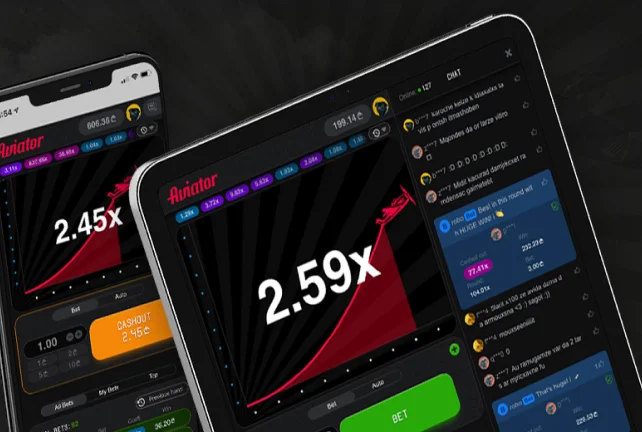
Online gaming stimulates the senses, and sound design subtly molds every session. In crash games like Aviator, the beeps and tones are more than decoration. They build the game’s entire sensory network. View a group of experienced UK players, and you’ll see them hearing as much as looking. They attune to the audio, decoding its signals to steer their bets and pull them deeper into the action. This isn’t receptive hearing. It’s dynamic interpretation. For these players, the sonic environment of Aviator turns simple effects into a stream of useful information, a critical tool for navigating the game’s intense, high-stakes environment.
The Role of Audio Feedback in Gameplay Mechanics
Aviator’s core is a multiplier that climbs until it crashes. The graph on screen gets most of the attention, but a parallel story unfolds through your speakers. A rising pitch tracks the climbing multiplier, giving you an ear for the escalating risk. UK players often say this sound lets them follow the action without staring, freeing them up for last-second decisions. When that sound cuts off sharply, replaced by a crash effect, the round is decisively over. This audio loop is built for instinct. It keeps players hooked into the game’s mounting tension from the first second to the last, a detail regulars always point out.
Gambler Tactics Guided by Sound Patterns
After a while, players start listening for more than just indicators. They detect rhythms in the noise. The crash itself is random, but the sound design is perfectly consistent. This allows players establish a sense of rhythm. Some UK regulars talk about cashing out based on the ‘feel’ of the audio swell, developing a personal timing that works alongside the maths. The sound functions as a metronome for their clicks. The growing auditory tension mirrors their own rising anticipation. This approach isn’t about beating randomness. It’s about discipline. The audio becomes a tactical aid for maintaining a cool head and following a plan when everything is moving fast.
Technical Aspects of Sound Design in Crash Games
Designing the sound for Aviator is a precise job. The aim is clearness and emotional punch. Developers create tones that are distinct and sidestep real-world sounds to stop them from getting annoying. The rising cue is usually a clean synth tone or a modified instrumental sample. It’s constructed so the frequency increases smoothly, sometimes with the volume sliding up too. This technical consistency is essential for fairness. Every round’s build-up plays the same, which stops any false sense of audio prediction while giving players a stable experience. For the developer, that consistency establishes trust. For the UK player, it offers a reliable sonic backdrop against which they can assess their own reactions and tactics.
Mental Influence of Sound on Player Engagement
Sound in Aviator affects your nerves. The audio, from the low background hum to the piercing rise, is engineered to heighten adrenaline and enhance focus. For players here in the UK, this sonic layer creates a gripping atmosphere that amplifies the gamble’s thrill. That climbing pitch creates a knot of anticipation in your stomach. It makes the final crash—or a well-timed cash-out—land with a physical jolt. This careful manipulation of tension through your headphones is a big part of why people keep coming back. It transforms a probability engine into a gut-level experience. The sounds activate primal reactions to risk and reward, engaging players up in the story of each single round.
Side-by-Side Review with Standard Casino Audio
The acoustics in Aviator runs a comparable mind game to a physical casino, but the method is different. A brick-and-mortar casino uses a wall of noise—chiming slots, chattering crowds—to build an energising bubble where time fades. Aviator works conversely. It uses subtle, focused sounds. UK players who’ve been in both settings observe this difference. The game exchanges chaotic noise for targeted cues that command your full attention. The rising tone serves like a spinning roulette wheel, building the suspense until the moment it halts. This neat, stripped-back approach reduces the auditory clutter. It enables a player concentrate completely on their own betting line, embodying a digital update of casino psychology for a solo, online world.
Forum Conversations and Common Auditory Memories
Head over to the forums where UK players gather, and you’ll find the conversation often turns to sound. People share stories about how the audio affects their play, or describe memorable rounds marked by that signature building tension. These shared interpretations create a community. Players connect over a common sensory language. You’ll even see jokes about getting an ‘earworm’—the game’s sounds lodged in your head long after you’ve logged off. This social layer adds meaning to the solo experience. It renders personal feelings about the sound appear valid and generates a collective understanding of the game that goes beyond the rules. In this way, the audio becomes a social object, something to talk about and share around.
FAQ
Can the sounds in Aviator assist foretell when the plane will crash?
Absolutely not. The audio is for mood and feedback, not fortune-telling. A certified Random Number Generator decides the crash. The rising pitch tracks the multiplier up, but its pattern holds no secret clues. Players use the sound to time their manual cash-outs by gut feeling, not to outguess a random event.

For what reason is sound so vital in a game like Aviator?
Sound creates psychological tension and pulls you in. The escalating noise echoes the climbing multiplier, directly affecting your adrenaline and concentration. It offers you instant, intuitive feedback so you can react fast without staring at the screen. This extra sensory channel transforms a maths-based game into something that appears more engaging and dramatic.
Are you able to play Aviator effectively with the sound off?
Yes. The game works perfectly well on mute, since all the key info is on screen. But many players notice that turning off the sound flattens the experience. It lessens the immersive tension and can make reaction times a tiny bit slower. The audio provides you a second channel to track the game’s progress, which helps some people with their timing and focus.
Can professional players pay special attention to the game’s audio?
Serious players concentrate on statistics and money management first. Yet many concede they utilize the audio as a tempo guide. They might develop a disciplined cash-out point based on the sound’s crescendo, using it to remain consistent rather than to forecast. The sound functions like a metronome, aiding them maintain their emotions in check during play.
Is the sound design in Aviator similar to other crash games?
The notion of using increasing audio tension is common across the crash game genre. But the distinct sounds—the exact tone, the instrument, the crash effect—are part of each game’s brand. Aviator Games utilizes its own unique audio signature to create a distinctive atmosphere that sets it apart from other choices.
Do players notice changes in Aviator’s sound over time?
Developers periodically update the sound design for refinement or technical reasons. Dedicated UK players tend to notice even small changes in tone or effects, and they’ll frequently talk about it on the forums. These updates are usually minor tweaks to quality, not changes to the fundamental audio structure that players use to keep their rhythm.
How do cultural differences influence player interpretation of game sounds?
The core human response to rising pitch and sudden silence is universal, https://flytakeair.com/. But cultural background can shape how those sounds are experienced and described. UK players, within their own gaming culture, might describe and use the sounds in a different way to players elsewhere. Still, the audio’s core job—to signal rising risk and build suspense—works successfully for a global audience.
So, the sound in Aviator Games is no mere jingle. For engaged UK players, it becomes a essential part of the game. It shapes strategy, controls nerves, and gives the community a shared language. Interpreting these sounds shows a deep level of engagement, where sensory cues get knitted directly into a player’s decisions and immersion. It shows that in online crash games, listening closely is just as important as watching the screen. It makes for a denser, more textured kind of play.
